South Island NZ

The Quail Island treasure hunt

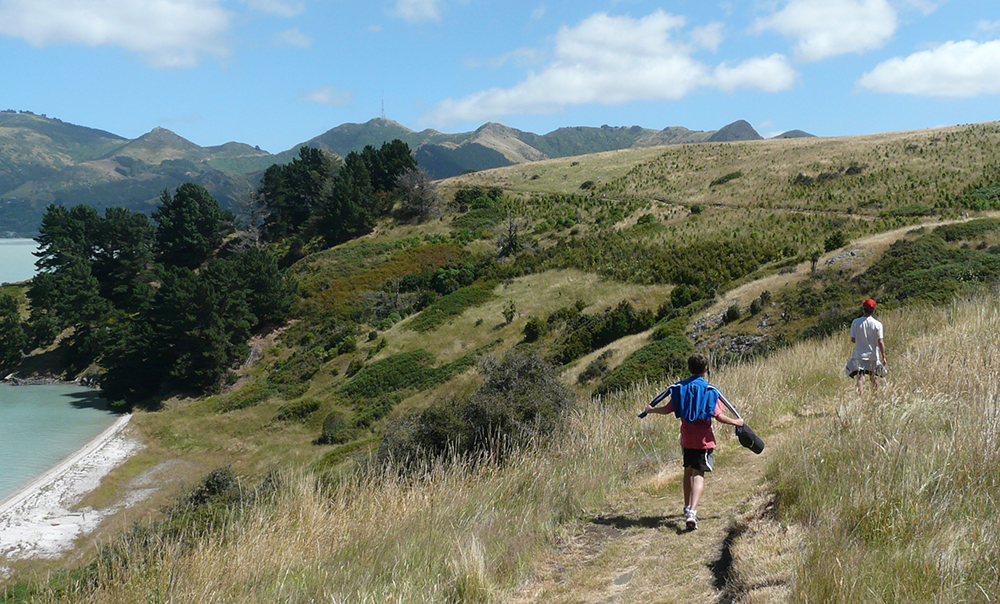
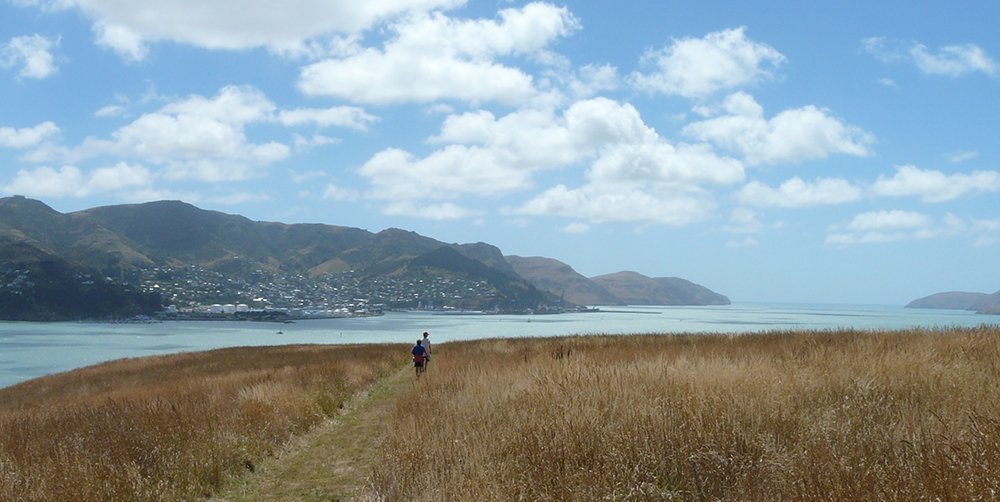
The grassy trail winds 4.5km around Quail Island with spectacular views of the port of Lyttelton and Banks Peninsula.

“HI FIVES, ALL ROUND,” yell the boys. They’re ecstatic because they’ve finally found a clue in the Quail Island treasure hunt.

It’s come at a good time because we’ve missed three other clues and they were starting to get a bit grumpy. You’d think it would be easy to spot a big piece of white card with a letter written on it nailed onto a tree, but it isn’t.

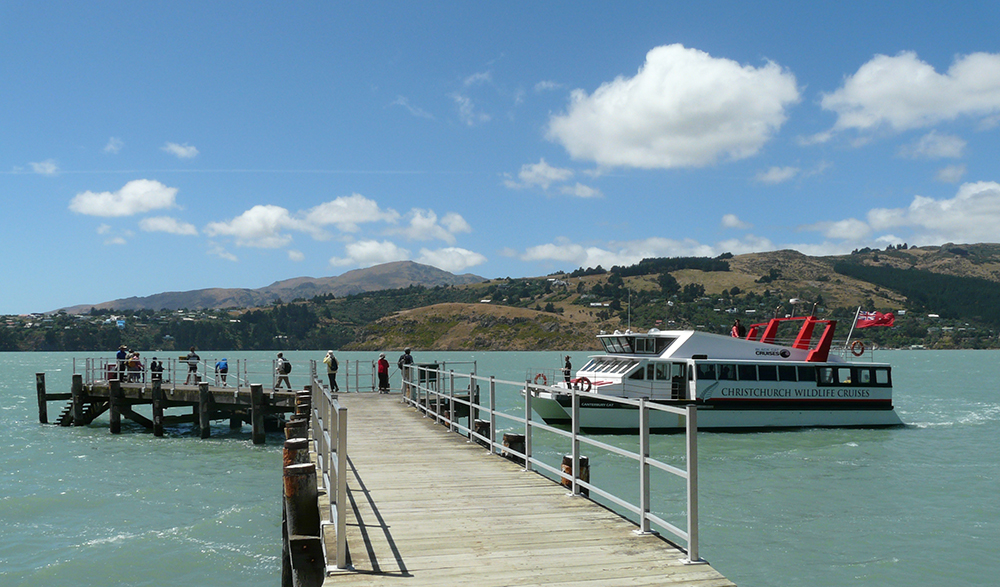
Quail Island has a varied history from staging post for heroic Antarctic expeditions to leper colony, human quarantine and convict labour camp. Now the 81-hectare island in the middle of Lyttleton’s volcanic basin harbour, and a 10-minute ferry ride from the harbour jetty, is somewhere to retreat to … take the kids for a picnic and just relax.

Black Cat Cruises has been running its treasure hunt on the island over summer for several seasons and it’s a fun day trip with a hint of wistfulness as you come across evidence of forgotten lives, echoes of tragedy of a dreaded disease and even the high drama of shipwrecks.

We’ve chosen a perfect day; it’s sunny but a faint easterly breeze is keeping the temperature pleasant.

Tumbling off the Black Cat ferry among other excited families, with a sprinkling of accents from around the world, my nephew Ross and his friend, Gaby, leap as fast as their 13-year-old legs will carry them to hunt out the first clue.

We turn left onto the trail and follow the beach through pine forests to a sheltered bay, where a picnicking family sit on deck chairs and soak in the tranquility of the dappled sunlight and soft lapping of blue water on the sandy beach.

We get to know them quite well as we traipse backwards and forwards through their little spot as we hunt unsuccessfully for the first two clues.
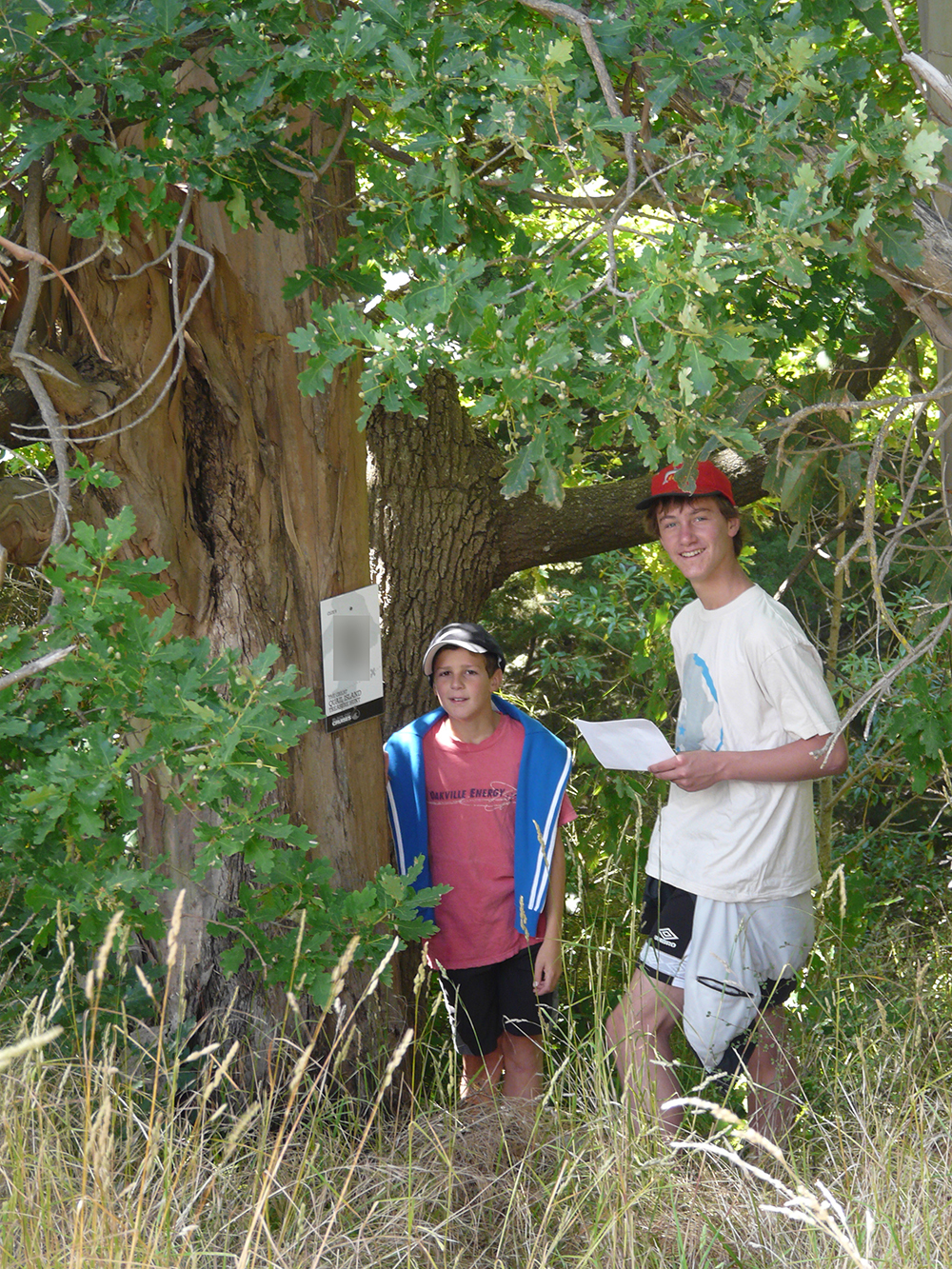
Found it – Gaby and Ross find a clue on the Quail Island treasure hunt (we’ve blurred out the letter so as not to give the game away).

Giving up, we head on up the hill to where explorer Robert Scott kept his dogs in quarantine prior to his Antarctic exhibitions in 1901 and 1911. It’s here we finally find one of the seven clues and the boys are off again.

We stop briefly to look at what’s left of the leper colony that between 1906 and 1925 housed a 12-strong colony of unwanted people, banished to the island and left to fend for themselves with little to do but count the sunrises.

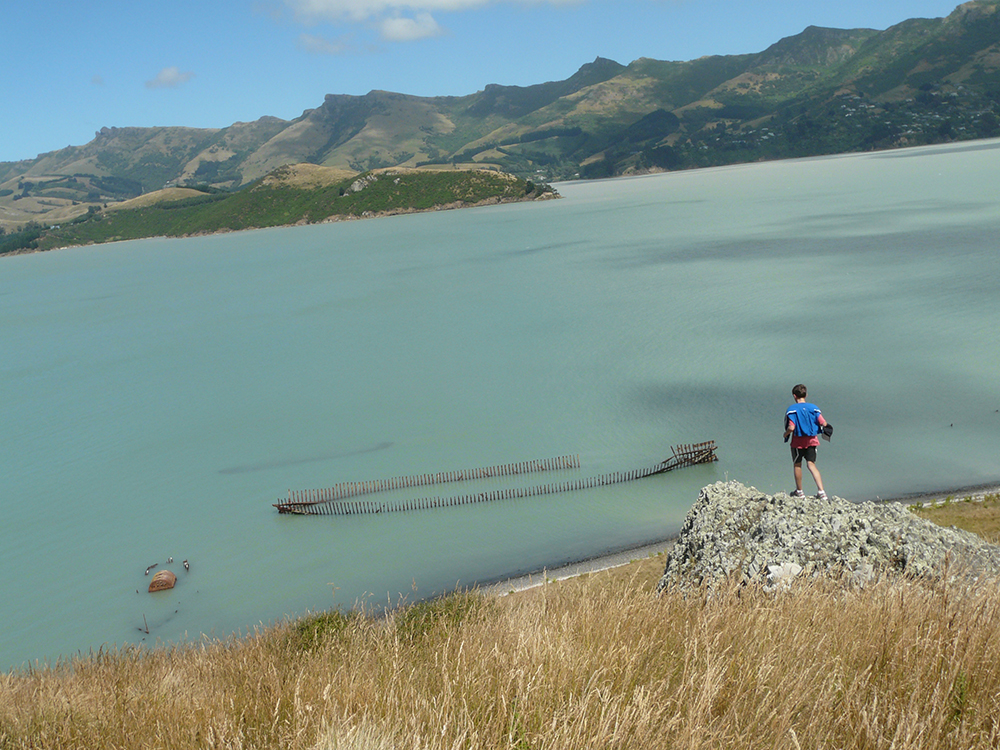
A single grave is a sad memorial for a leprosy sufferer, young Ivon Crispen Skelton, who died a lonely death far away from his family. It lies near the watery resting place of an Indian tea trader, the Darra, whose sea-ravaged ribcage creates a contemporary sculpture under the hot midday sun.

We head along a freshly mown strip of grass that weaves through carpet squares of freshly planted seedlings of native trees and shrubs. We keep being surprised by introduced Californian quails that explode out of the grass. The native quail that inspired the island’s European name was extinct by 1875.

We come across a sign that says we are halfway around the island and realise in horror that we have 30 minutes to get back to the jetty for the 12:30 ferry.

The sign says it’s a one hour walk.

The rest of the island passes in a blur. We whizz past the ballast quarries, give a nod to the volcanic cliffs and barely acknowledge the tragic Ward settlement before barreling onto the jetty just in time to catch the ferry back to the Lyttelton Marina.

Next time we’ll pack a picnic and catch the later ferry.
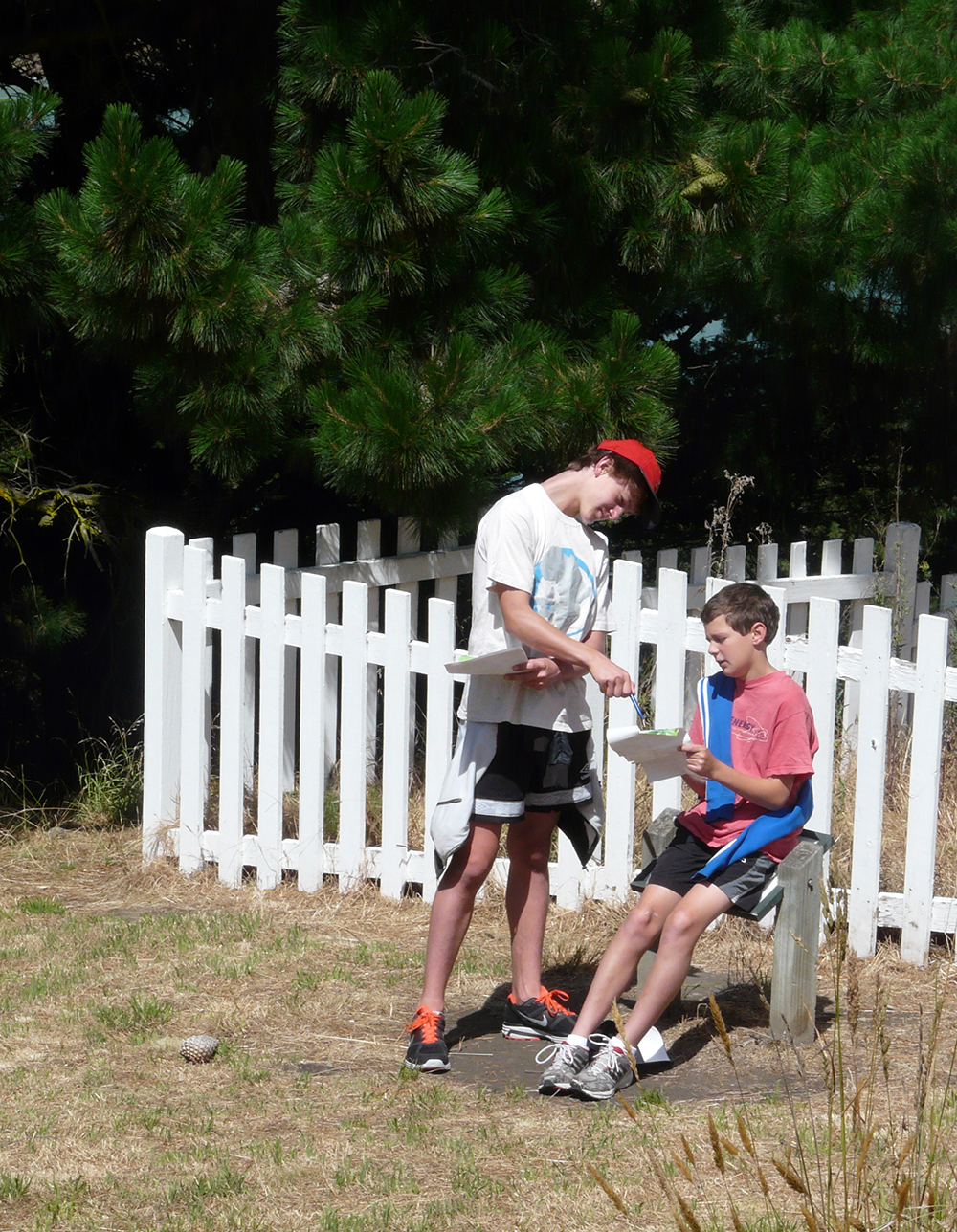
Ross and Gaby, both 13, look for the next clue in the Quail Island treasure hunt.
Gaby studies the wreck of the Indian tea-trader, Darra.
Quail Island is accessible by a short ferry ride from Lyttleton harbour.
Another view of the treasure hunt grassy trail.

● Black Cat Cruises Quail Island Adventures depart from Jetty B, Lyttelton Harbour at 10:20am and 12:20pm daily. Adults NZ$40/Child $20

● For more information see blackcat.co.nz


ABOUT THE AUTHOR – Kim Triegaardt

Kim Triegaardt is a journalist, corporate communications specialist and – as regularly as she can manage – travel writer. Kim’s professional career has taken her around the globe, but she calls the New Zealand city of Christchurch, in the South Island’s Canterbury Region, home. Kim is the founder of the corporate communications company Totally Write, which she continues to operate.

♦ ENDS

  • Hits: 7

The joy of diving

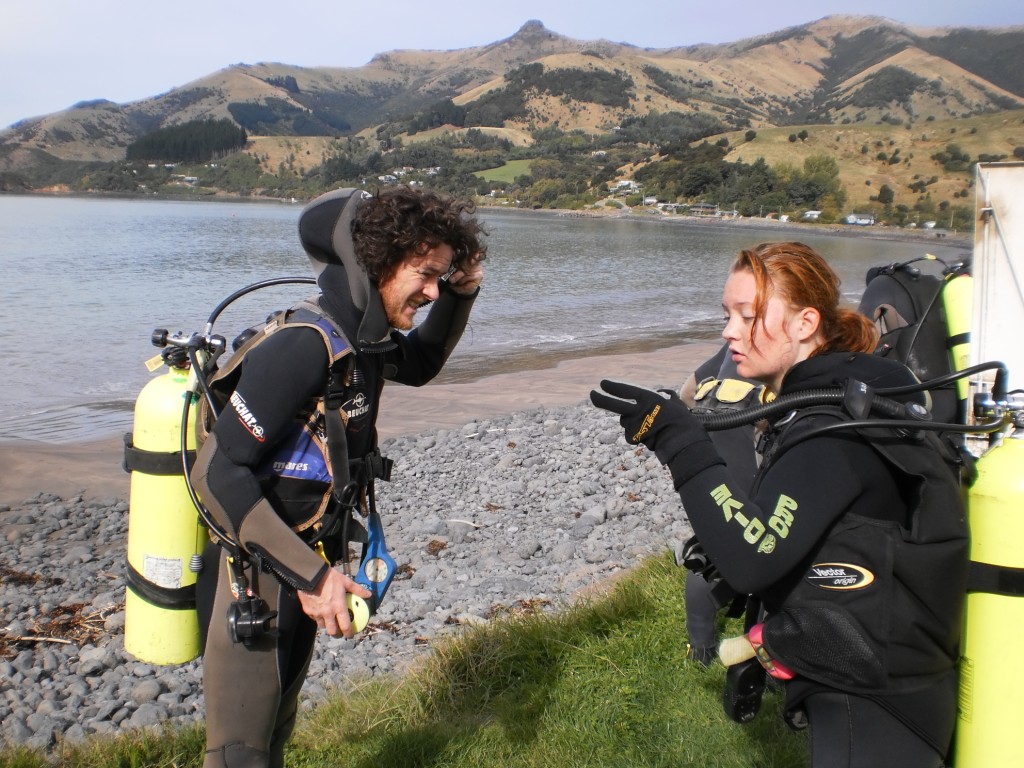
Getting to grips with bouyancy compensators, regulators, weight belts, cylinders, Victoria Triegaardt (right) and Thomas Hitchon get ready for their third open water dive at Wainui on Banks Peninsula.

SO HERE WE ARE, seven teenagers and one instructor sitting casually on the bottom of Ashburton swimming pool. They say your first time breathing underwater is a life-changing experience and I know it’s something I’ll never forget, mostly because it was incredibly uncomfortable.

By the time you add together the tank, the equipment, the weightbelt, it was nearly 25kg of kit and all I could think was, “What on earth am I doing here?”

A spur-of-the-minute decision to get my scuba (self-contained underwater breathing apparatus) diving qualification, before heading away on holiday, saw my mother sign me up at Dive HQ in Durham St for the PADI Open Water certificate. [PADI is the Professional Association of Diving Instructors, the world’s leading scuba certification body].

It felt like school all over again, going through the manual and answering loads of questions about atmospheric pressure, gases, nitrogen narcosis … and I’m not sure I liked knowing I could burst my eardrums or explode my lungs.

In the pool, I feel alien, uncomfortable; everyone else is making things look easy and I can’t do it. Marco Ghattas, our Egyptian dive instructor, is very patient. He takes me slowly over the skills we’ll need to know to dive safely in open water – learning things like fin pivots (angling your body up and down while keeping your fin tips on the ground).

It’s only when I get out I realise that at some point I stopped feeling uncomfortable. That is until the next morning when lugging the heavy equipment starts to take effect and my arms ache.

The second day passed a lot faster than the first, with most of it theory work and a final exam – and more sessions in the pool. I realise I’m having fun and really enjoying being under the water.

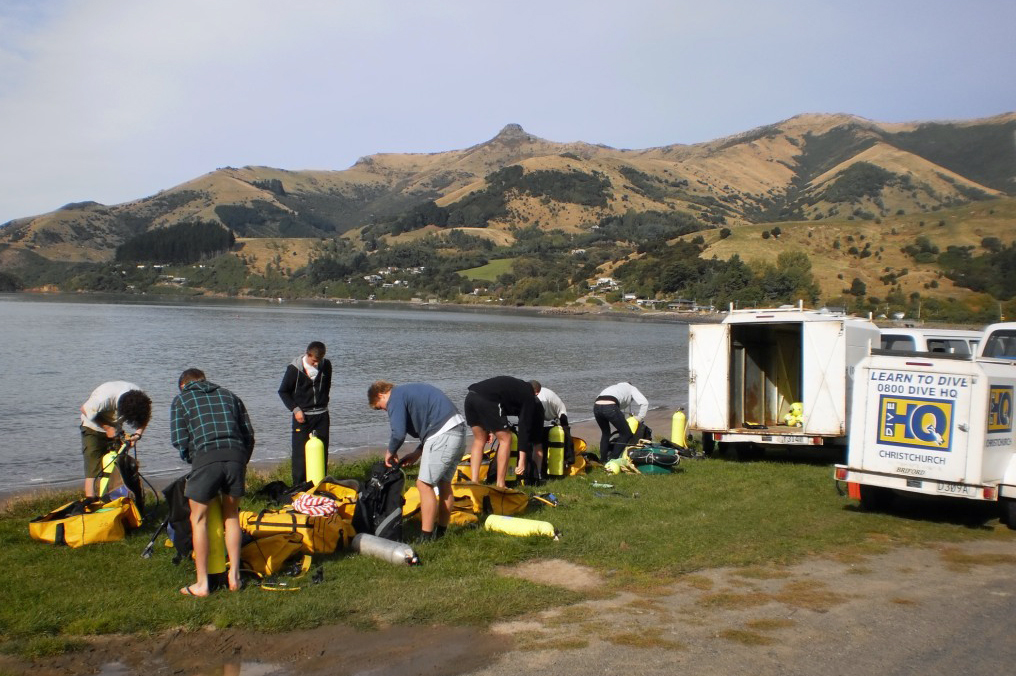
It’s not quite the Bahamas: The trainee open water divers get kitted up for their open water qualifying dives at Wainui on Banks Peninsula.

The first day of open water training the next weekend took place in Lake Coleridge, an hour out of Christchurch.

The sun was shining but we all knew the water would be freezing and, after suiting up in the ladies room (some bushes on the left side of the van), it was time to take the plunge.

At 15°C, the water was definitely cold enough to make me appreciate my wetsuit (a difficult task at the best of times). Our first activity once we all descended is a ‘tiki tour’ around the lake and, as we swim in groups of two behind Marco, we see a bike, an old motor cycle and a smashed toilet. Seeing ordinary things 6m underwater is a surreal experience – but we don’t have time to marvel for long because it’s time for us to start practising our skills.

It’s a lot harder to dive back in after lunch knowing exactly how cold the water is. At the bottom I keep myself warm by thinking of the trip to the Bahamas I’m taking soon.

Our next open water dive took place at Wainui on the Banks Peninsula. It’s certainly warmer than Coleridge but the visibility is a whole new story. Because of the surf our visibility is less than half of what we had at Coleridge.

As someone with a less than adequate sense of direction, I am petrified of getting lost. Even with a compass I’m still not exactly sure which way is left or right, up or down. I decide to stick to diving’s number one rule, stay with your buddy at all times. Needless to say I don’t get lost at sea and upon surfacing see our instructor for the day, Steven Bowen, congratulating us for finishing our training.

It’s been four days, two pool sessions, four dives and endless hours of theory – but I’m now a qualified diver. All I can say is … bring on the Bahamas.

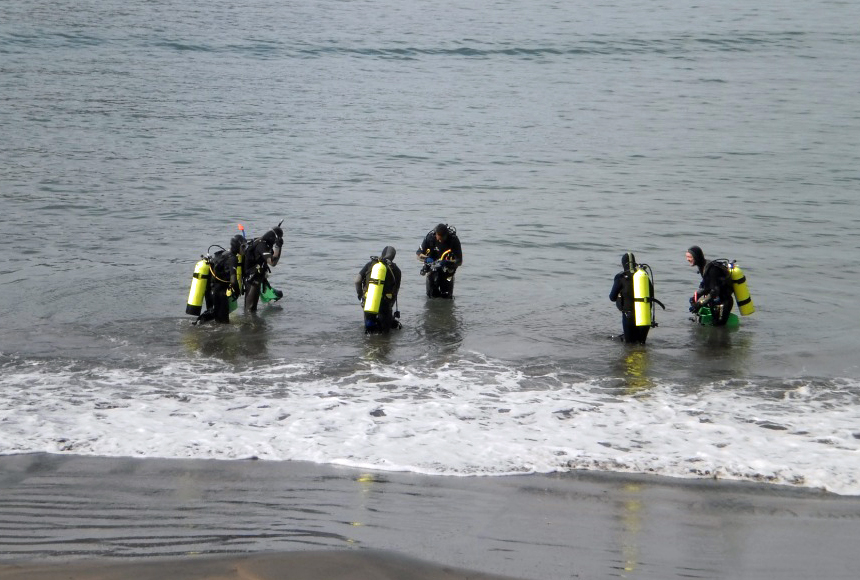
The Dive HQ trainees group heads out on the final qualifying dive at Wainui on Banks Peninsula under the watchful eye of instructor Steven Bowen.


A PADI OpenWater Course at Dive HQ costs NZ$799 and includes all the teaching materials, two days of pool sessions and four open water dives. Equipment supplied.


ABOUT THE AUTHOR – Kim Triegaardt

Kim Triegaardt is a journalist, corporate communications specialist and – as regularly as she can manage – travel writer. Kim’s professional career has taken her around the globe, but she calls the New Zealand city of Christchurch, in the South Island’s Canterbury Region, home. Kim is the founder of the corporate communications company Totally Write, which she continues to operate.

♦ ENDS


  • Hits: 7

Standing room only

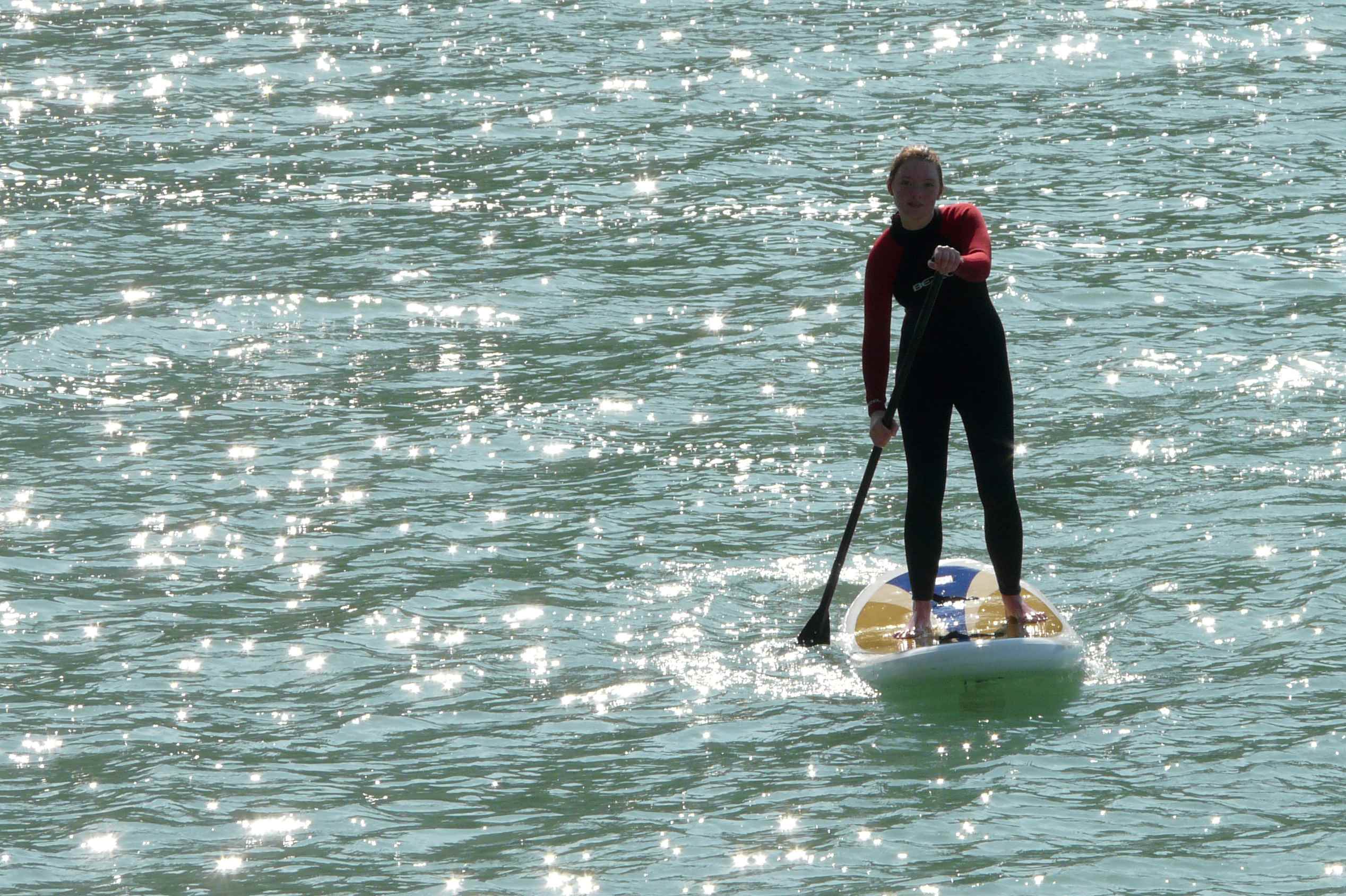
Victoria Triegaardt on a paddle boarding lesson in Cass Bay.

THE WEATHER FORECAST is for a gentle nor’ easterly. In theory, the onshore breeze will flatten out the water at Cass Bay near Lyttelton and make for an easy morning for my first Stand Up Paddling (SUP) lesson.

The weather hadn’t heard the forecast, however and a nippy wee southerly was blowing bumpy little waves onto the beach. Not ideal conditions for learning SUP-ing, the world’s fastest growing sport, says James Bradshaw of Red Adventure Sports.

But what the hell … The sun’s shining, it’s a beautiful day in Canterbury and if Jennifer Aniston can paddleboard so can I.

The sport of paddle boarding has ancient origins in Hawaii but was revived some 50 years ago after surfing instructors in the islands would stand on their boards, to get a better look at their students, and to see what wave sets were forming in the distance.

“It can look intimidating but paddle boarding is really easy to learn and there’s a huge sense of accomplishment. Take it easy or be adventurous, it’s really up to you,” says Bradshaw who does both.

Pre-quake, before the estuary became polluted, he and a friend would head up the Avon River at a leisurely pace ending up at the Dux de Lux for lunch – but he’s also whitewater rafted on a board.

We’re going for ‘leisurely’ this morning and start on our knees paddling discordantly off into the breeze towards Quail Island.

“When you’re ready,” says Bradshaw, “jump up onto your feet, keeping in the middle of the board. Don’t look down, and use the paddle for balance.”

I’m no sooner up than I’m down again, splashing heavily into the water. “Don’t worry, you’ll get the hang of it soon,” he says, far too kindly and far too optimistically.

It’s supposed to be easier for women to stand up and balance because they have a lower centre of gravity. Hmmm, maybe not all of us. I spend a fair amount of time in the water.

But it’s not long before I’m up for relatively longer and longer periods. I’m re-discovering long forgotten muscles, which makes me understand why paddle boarding was this summer’s hottest fitness craze overseas. Turning our back to the wind and heading back to the shore my core, thighs and shoulders were all getting a workout.

 SUP-ing is a really hassle free sport says Bradshaw, “Take your stuff, throw it in the water and have fun.”

Bradshaw’s solved the problem of the 11ft (nearly 4m) boards and 6ft (2m) paddle with a range of inflatable boards, known as Red Air Paddleboards.

“They are the perfect travel accessory,” says Bradshaw because you just roll them up and chuck them in the car. When you find a good spot for a paddle, unroll and inflate them with the foot pump that comes with the kit.”

You can either buy your own or hire a board from Red Adventure Sports and head off to explore the waterways around New Zealand.

“There’s almost nowhere that a paddleboard can’t go,” says Bradshaw.


Learn to stand-up paddleboard in Christchurch with Horizons Unlimited. They offer 90-minute adult beginner lessons at Cass Bay for NZ$65 per person. Equipment (board, paddle, leash, PFD) is included.

*James Bradshaw has since been headhunted to become managing director of Red Paddle Australia and moved back to Perth, Australia.


ABOUT THE AUTHOR – Kim Triegaardt

Kim Triegaardt is a journalist, corporate communications specialist and – as regularly as she can manage – travel writer. Kim’s professional career has taken her around the globe, but she calls the New Zealand city of Christchurch, in the South Island’s Canterbury Region, home. Kim is the founder of the corporate communications company Totally Write, which she continues to operate.

♦ ENDS


  • Hits: 13

Penguin snot and sea spray …

Inside Christchurch’s wildest 4D movie ride


Caption to come.

THE LIGHTS DIM and we settle into our seats. The 3D glasses take a bit of jiggling to fit but soon it feels like a night at the movies. Only instead of soft plush seats we are sitting on squishy plastic.

That probably should have served as a warning but we were too busy getting comfy and bemoaning the lack of popcorn to really anticipate what was coming next.

Then as darkness settles over the auditorium at the International Antarctic Centre, found near Christchurch Airport, a crescendo of music sweeps us on to the bridge of the Spirit of Enderby, an expedition ship heavy with passengers headed to see the ice.

The southern ocean is grey with raging waves. In 3D the experience is eerily real and I find myself holding my breath as the boat crests a wave and launches into space. It’s what happens next that will make movies a bit of a yawn from now on.

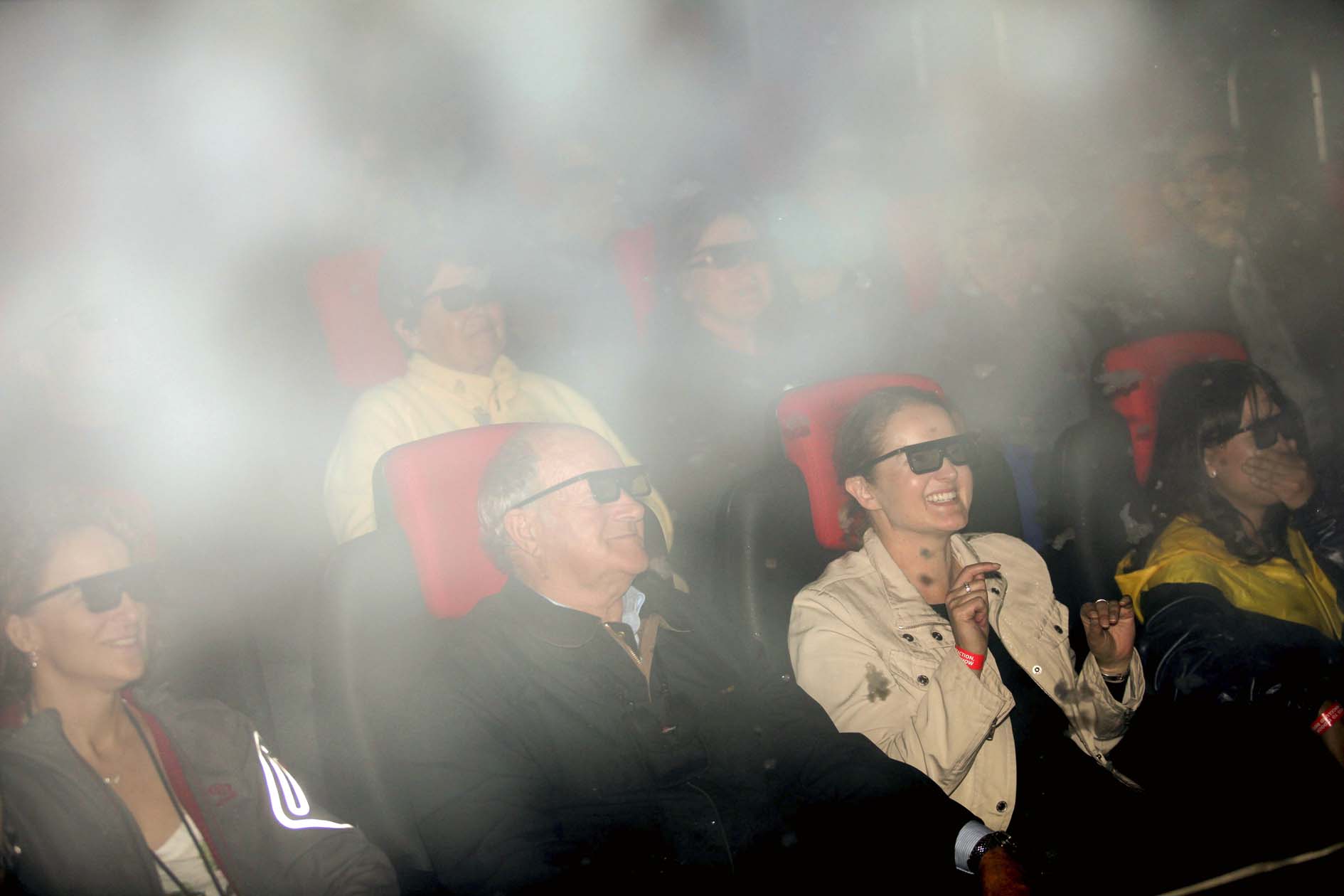
As we watch the boat crash into the sea my seat jolts and water sprays across my face. There are a few shrieks from the audience. Nobody was expecting that.

Caption to come.

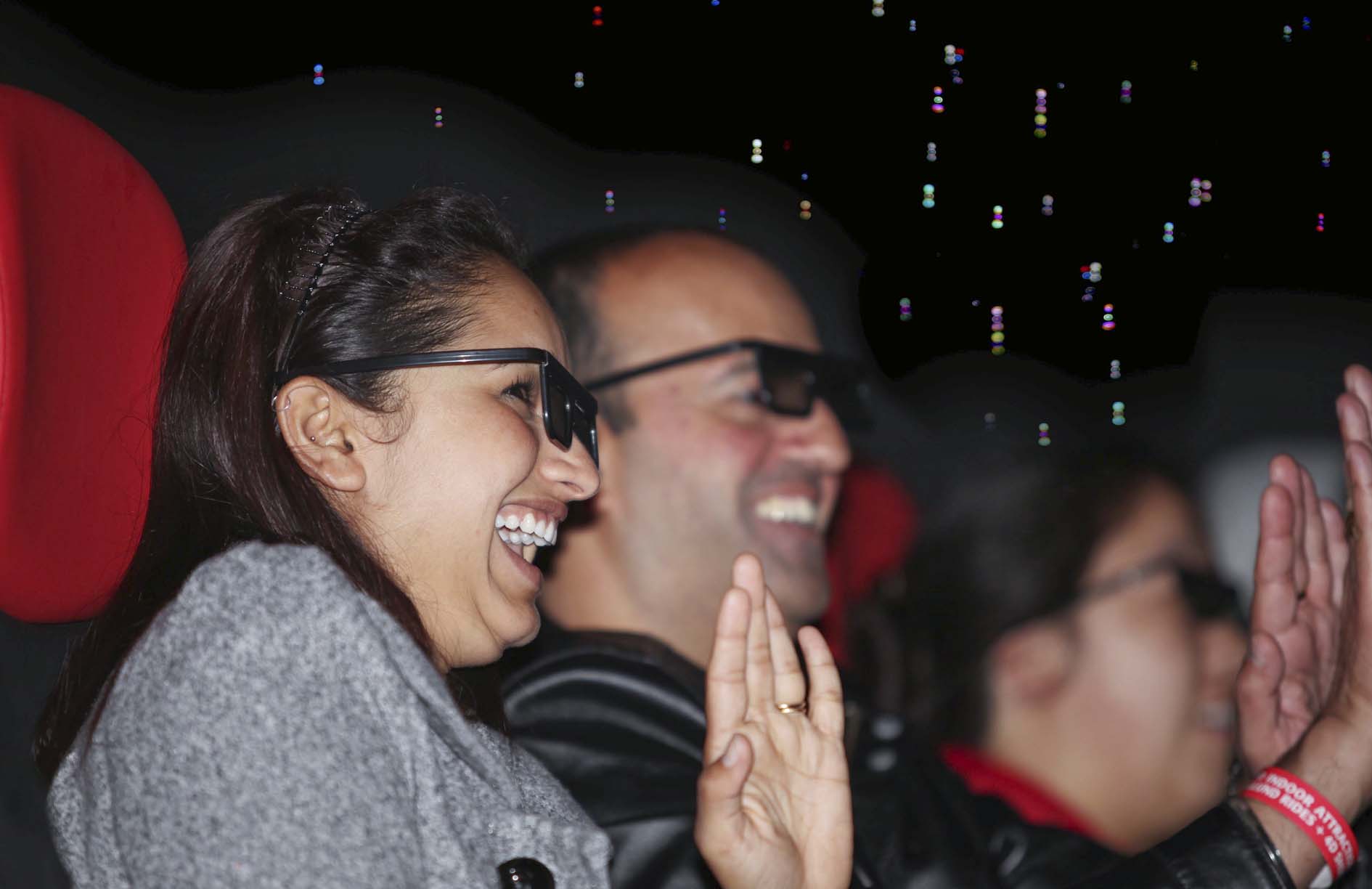
Our chairs continue to shudder as we crash through waves. Sprays of fine mist accompany each stomach-churning lurch and the fresh salty smell of the sea soaks the air around us. I find myself gripping the armrests and bracing for the next jolt. This is the movies in 4D, an all-round total sensory experience.

Safely moored, the tourists in the movie head to a penguin colony. One fluffy brown king penguin chick detaches itself from the group and waddles over to the camera and stares right down the barrel – all very cute until it sneezes. Penguin snot shots right out the screen and on to my face. Well that’s what it seemed liked. It was in fact just a squirt of water from the chair in front of me.

As the sky darkens over Antarctica, snow begins to fall. First it comes as streams of bubbles and then, as the skies darken in the movie, little flakes of ice start to blow across us. They land on me and disappear in an instant. I stick out my tongue hoping to catch a snowflake. No luck.

Soon the penguins start huddling together as the wind starts to pick up even more and the full force of an Antarctic storm hits them. We get a slightly moderate gale thanks to a wind machine at the front of the theatre.

The Antarctic Centre’s 4D experience was filmed by Kiwi Emmy award winning cinematographer Mike Single, who captured the footage in the face of 62-degree-below-zero temperatures, once the wind chill was factored in.

Thankfully it’s not nearly as cold as that in the theatre but the icy blast that brushes our ankle and the thick fog that floats up from the dry ice machines give a hint at how extreme Antarctic conditions can be.

You’ll leave smiling but wind-blown and damp and thankful you didn’t get popcorn.

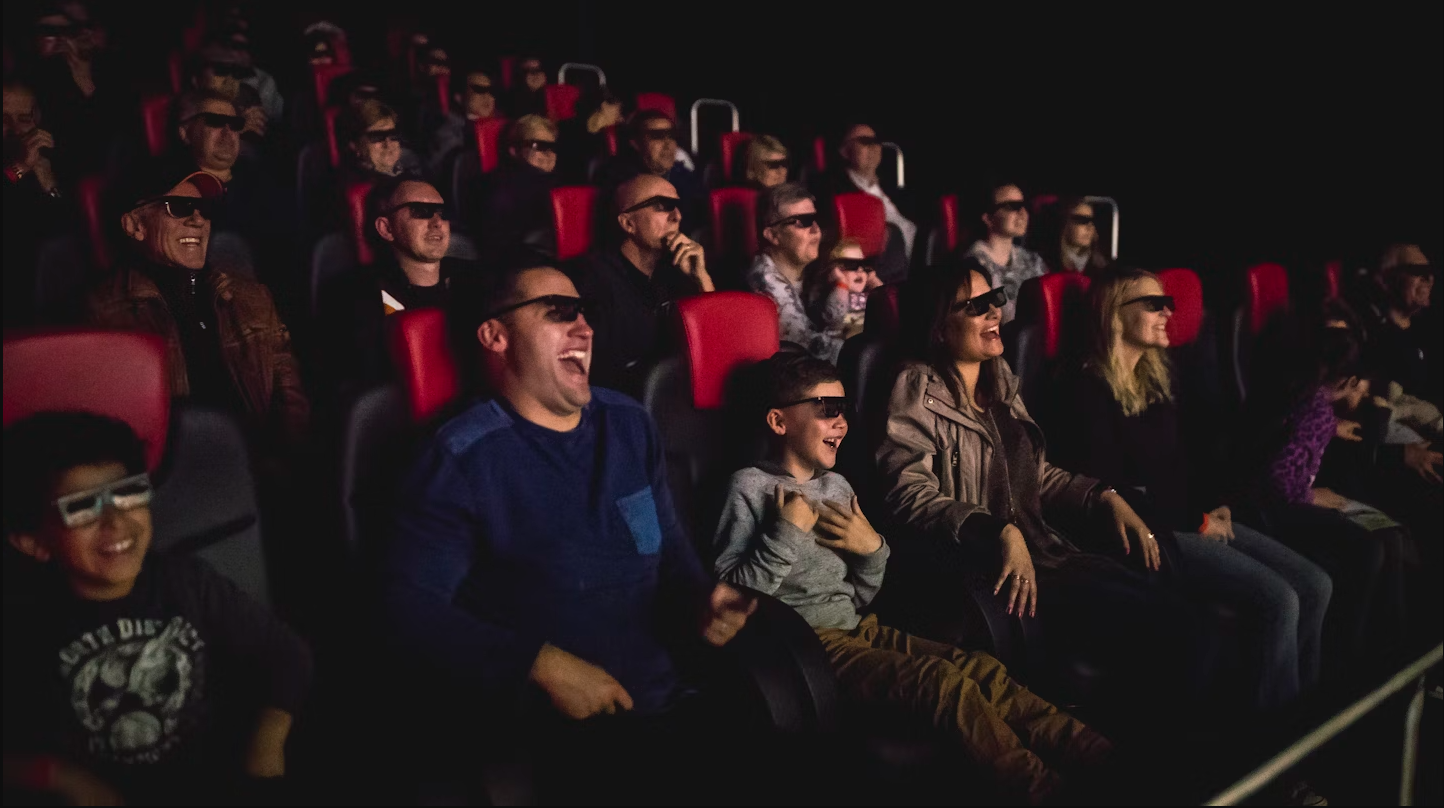
International Antarctic Centre's 4D theatre experience is fun for all ages!

See www.christchurchnz.com or www.iceberg.co.nz for more information on the Antarctic Centre tours.


ABOUT THE AUTHOR – Kim Triegaardt

Kim Triegaardt is a journalist, corporate communications specialist and – as regularly as she can manage – travel writer. Kim’s professional career has taken her around the globe, but she calls the New Zealand city of Christchurch, in the South Island’s Canterbury Region, home. Kim is the founder of the corporate communications company Totally Write, which she continues to operate.

♦ ENDS

  • Hits: 29

Heritage building offers glimpse into Christchurch’s war past

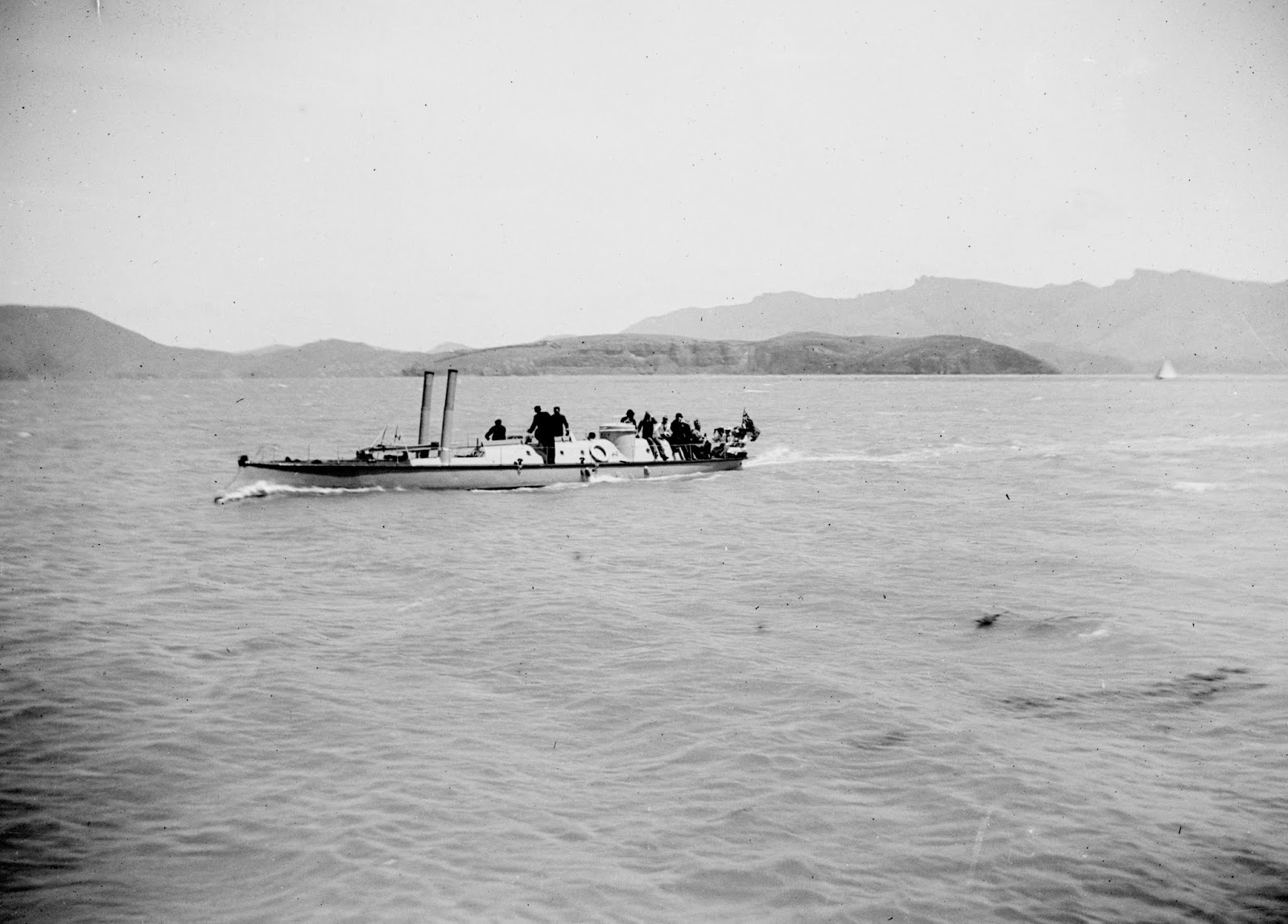
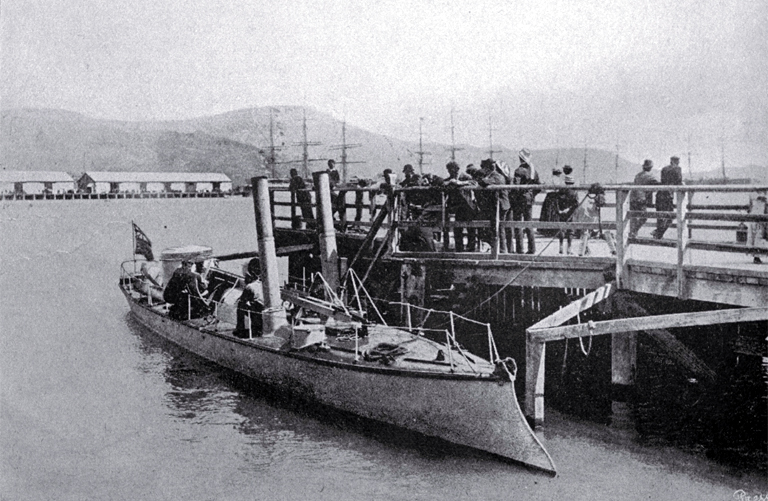
Thorneycroft Defender at Lyttelton, pictured in 1940.

STROLLING AROUND THE HEADLAND above Magazine Bay in Lyttelton recently, I remarked to my walking partner he should visit the museum down near the water’s edge.

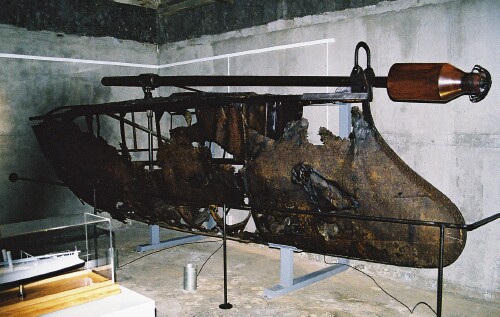
The squat grey stone building just around the corner from the Naval Point Yacht Club is a former army powder magazine and holds what’s left of New Zealand’s only remaining spar torpedo boat. Four were made to guard New Zealand’s shores against the fear of a Russian invasion in 1885.

“Nonsense,” he snorted. “Invading Russians, torpedoes, don’t talk rubbish. Like that ever happened.”

It did in fact. In 1885 the Russian Empire stretched from Europe to the Pacific thanks to a stint of empire building that followed the end of the Crimean War in 1856. After some sabre rattling against the Turks and stealing back the Balkans, Russia loomed as a threat to the British, who were desperate to safeguard their Indian empire.

When Russia moved south into Afghanistan there was general panic that this was the first stop on a swoop south through to Australasia.

In a response, Britain declared that the colonies would have to defend their own ports so the New Zealand Government ordered the four torpedo boats.

These coal-fired boats first appeared in the American Civil War. They were designed to travel and seek out their target under darkness.

Each boat carried an explosive charge mounted at the end of a large pole projecting from its bow. Once in range the sailors would lower the torpedo and ram the opponent at full speed. It was highly dangerous for both attackers and victims alike – which probably explains why they never caught on in a big way.

The boats were built in London and arrived aboard the sailing ship Lyttelton. They were based at Auckland, Wellington, and Port Chalmers outside Dunedin.

Torpedo Boat No. 168, known as Defender, came to Lyttelton where it languished in an obscure shed and only made rare appearances in the water because it didn’t work very well.

At Lyttelton, the Defender, circa 1940.

I hear the story from Captain John Cleaver, a former seafarer who has lived in Lyttelton since 1956. It was under Captain Cleaver’s watchful eye that the search for the remains of Defender gathered momentum and that the magazine building was finally restored in 2002.

The boat had been decommissioned in 1909, towed to Purau and then pulled into the nearby sand dunes and broken in two. Time slowly swept sand over the steel and memories until, by 1958, no sign remained of it.

A 36-minute documentary that runs in the museum tells the story of how the boat was found in 1998, thanks to the efforts of David Bundy of Project Port Lyttelton, restored and then placed in the magazine.

There’s fascinating historical footage that shows the early days of Lyttelton and while the Defender looks a little moth-eaten, the boat, the movie and the knowledge of the volunteers who keep the museum open provide a fascinating glimpse into a little-known past. A past where the spectre of Russian invasion loomed large and 19th century sailors jousted with explosive-laden lances.

So I’m sure someone owes me an apology. Yes, Benjamin you know who you are.

Thornycroft's remains of the Defender in Lyttelton today.

The Thornycorft Torpedo Boat Museum at Magazine Bay is open from 1pm–3pm on Tuesday, Thursday, Saturday and Sunday during summer and on Saturday and Sunday only in winter. There is a $5 entrance fee.

For more on the story of Magazine Bay and Defender spar boat see https://lytteltonharbourjetties.blogspot.com/2019/06/magazine-bay-bakers-bay-1.html


ABOUT THE AUTHOR – Kim Triegaardt

Kim Triegaardt is a journalist, corporate communications specialist and – as regularly as she can manage – travel writer. Kim’s professional career has taken her around the globe, but she calls the New Zealand city of Christchurch, in the South Island’s Canterbury Region, home. Kim is the founder of the corporate communications company Totally Write, which she continues to operate.

♦ ENDS


  • Hits: 17